
Brrr, it’s that time of the year again when snow blankets the ground, and frosty wonders abound! Winter brings with it a world of chilly adventures, and it’s the perfect season for exploring fascinating facts that make this time of year so special. So, bundle up, grab your mittens, and let’s dive into some delightful winter fun facts for kids that will make you see this season in a whole new light!
1. The Magic of Snowflakes: Nature’s Delicate Masterpieces
Snowflakes are like Mother Nature’s tiny sculptures, and each one is a unique work of art! But have you ever wondered how these delicate masterpieces are created?
It all starts high up in the chilly clouds. You see, when the temperature drops, the water droplets in the clouds freeze. But here’s the magical part – as they freeze, they start to stick together, one tiny droplet at a time. This process continues as they tumble through the clouds, creating intricate and distinctive shapes. These shapes are what make each snowflake one of a kind.
What’s even more astonishing is that some super cool scientists (pun intended!) study snowflakes. They use microscopes and special tools to uncover the secrets hidden within these frosty wonders. By understanding their patterns, scientists can learn more about the weather and even help make better predictions about winter storms. So, the next time you catch a snowflake on your mitten, remember, you’re holding a tiny piece of nature’s unique artistry! 🌨️❄️🔍
Did you know? Some snowflakes have been found to have as many as 200 different ice crystals in them, all connected in exquisite patterns! What a chilly masterpiece!
Question: Can you try to catch a snowflake on your mitten and take a closer look? What shape does it have?
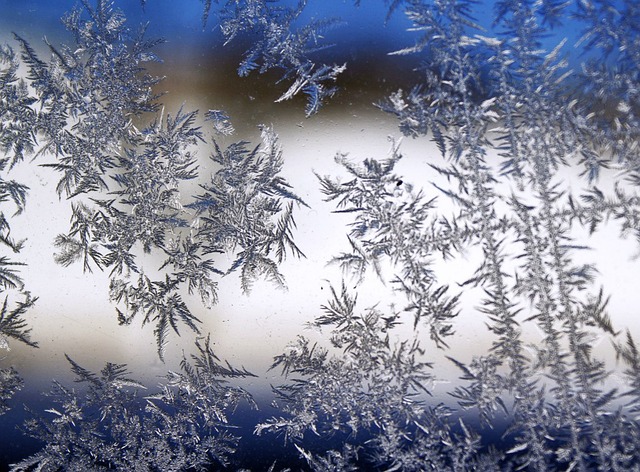
2. Magical Window Frost: Nature’s Icy Artwork
Have you ever noticed how your windows turn into enchanting icy canvases during cold winter days? It’s as if nature becomes an artist, creating stunning frosty designs right on the glass. But how does this chilly masterpiece happen?
Well, it’s a bit like science and magic coming together. When it’s warm and toasty inside your home, and the air is filled with moisture, something fascinating occurs when it meets the freezing windowpane. The warmth from indoors touches the cold glass, and the magic begins!
As warm air gets close to the chilly window, it starts to cool down, and something even more extraordinary happens: it loses moisture. That moisture, once airborne, transforms into delicate frost or tiny ice crystals on the window’s surface. These frosty patterns can take on all sorts of beautiful shapes, from feathery ferns to intricate latticework. It’s like nature’s way of adding a touch of wonder to your winter view.
So, next time you gaze out of your frosty window, remember that you’re looking at nature’s icy artwork, and it’s truly magical!
Did you know? The frosty patterns on your window are never the same twice – each one is as unique as a snowflake!
Question: Have you ever drawn a picture or made a design on a frosty window with your finger? What did you create?
3. Cozy Winter Naps: The Secret of Hibernation
Imagine being able to take a long, peaceful nap throughout the entire chilly winter! Well, some animals have figured out just how to do that, and they call it “hibernation.” Hibernation is like the ultimate cozy slumber that helps these creatures survive the coldest months of the year.
So, what exactly happens during hibernation? Think of it as a bit like a super-deep sleep. When an animal decides it’s time for hibernation, something incredible begins to occur. Their body temperature drops significantly, almost like turning down the thermostat to save energy.
But that’s not all! Their heart rate and breathing slow down too, so they don’t need as much energy to keep going. It’s a bit like going into a low-power mode, just like your devices when they’re not in use. During this time, these clever creatures are snug and warm in their chosen hibernation spots, which can be cozy burrows or tree hollows.
While they’re hibernating, these animals don’t need to worry about finding food or dealing with the freezing cold outside. Instead, they’re in a deep, restful sleep, patiently waiting for spring to arrive. When it’s finally time to wake up, they’ll be well-rested and ready to enjoy the warmer days ahead.
So, hibernation is not just a nap; it’s a fantastic survival strategy that allows animals to snooze their way through winter’s icy grip. How’s that for a winter dream come true? 🐻❄️💤
Did you know? Some animals that hibernate can slow their heart rate to just a few beats per minute and can go without eating for several months!
Question: If you were an animal, what would you do to prepare for a long winter’s nap?
4. Winter’s Dark Secret: The Earth’s Tilt and Shorter Days
Have you ever wondered why winter days seem so short and nights incredibly long? Well, here’s a little secret from Mother Nature that explains it all: the Earth’s tilt!
You see, our planet Earth is a bit like a giant spinning top. It doesn’t stand straight up and down; instead, it’s tilted on its axis. Imagine you’re leaning to one side while spinning around—it’s a bit like that, but on a cosmic scale.
Now, this tilt might not seem like a big deal, but it’s the reason behind our changing seasons. During the winter months, the hemisphere you’re in (whether it’s the northern or southern half of the Earth) is tilted away from the Sun. This tilt means that the Sun’s rays have to travel through more of the Earth’s atmosphere to reach you, and that makes the sunlight weaker and less direct.
With weaker sunlight, your part of the world gets less daylight hours. That’s why winter days feel shorter, and the nights seem to stretch on forever. It’s like nature’s way of saying, “Time to snuggle up and get cozy!”
But don’t worry; it’s not all darkness and cold. Winter also brings its own kind of beauty, like snowy landscapes and twinkling stars. And remember, as winter goes on, the Earth starts tilting back toward the Sun, gradually bringing longer days and warmer temperatures.
So, the next time you’re enjoying a snowy evening or stargazing during a winter night, you’ll know that it’s all because of our amazing, tilted Earth. 🌍🌒❄️
Did you know? In some places near the North and South Poles, they experience something called “polar night,” where the Sun doesn’t rise at all for weeks or even months! It’s like a never-ending night! 🌌🌃🌙
Question: What do you like to do during the longer nights of winter? Any special activities or games?
5. Winter’s Magical Breath: Why We Release “Smoke”
Have you ever noticed that on a frosty winter day, something enchanting happens when you exhale? Your breath transforms into a misty, smoky cloud right in front of you. It’s like a mini magic show, isn’t it? But there’s a scientific secret behind this cool phenomenon.
Here’s how it works: When you breathe out, the air you exhale is warm and carries tiny water droplets. However, the air outside during winter is cold and dry. When these two air masses meet, something fascinating occurs. The warm, moist air from your lungs suddenly encounters the chilly winter air, and this rapid temperature change is the key.
As a result of this quick cooling, the moisture in your breath begins to condense. In simpler terms, it changes from invisible water vapor into tiny, visible water droplets or ice crystals. This is what creates the misty cloud effect that looks a bit like smoke.
Think of it as your own magical breath turning into a cloud right before your eyes! It’s like having a tiny cloud-making machine inside you. Kids, you’re like little wizards of the winter air!
So, the next time you’re outside on a frosty day and you see your breath forming those misty clouds, remember that you’re witnessing a bit of science magic right in front of your eyes. Who knew that something as simple as breathing could be so enchanting? 🌬️❄️✨
Did you know? The colder the air, the more visible your breath becomes. Try blowing gently on a super cold day to create even more impressive “smoke”! 🌡️
Question: Can you make different shapes with your breath on a cold day? What shapes can you create?
Conclusion:
Winter Fun Facts Wrap-Up
There you have it, curious explorers—some chilly and fascinating winter fun facts! We’ve journeyed through the mysteries of snowflakes, marveled at frosty window art, peeked into the sleepy world of hibernating animals, and unraveled the Earth’s tilt secrets.
Remember, every snowflake is unique and like a tiny work of art. When your breath turns into mist on cold days, it’s like creating your own little clouds. And when the days get shorter, it’s all thanks to our Earth’s tilt, making winter its own special season.
As you’ve learned about winter’s secrets, here’s a cool tip: Try blowing gently on a cold window or mirror and watch as frosty patterns form! It’s like creating your very own frosty art. Remember, winter is full of wonders waiting for you to discover, so don’t forget to bundle up and explore!
Stay curious, stay warm, and keep exploring the world around you. Winter is full of surprises, and there’s always something new to discover. Happy winter adventures, funtastic readers!
Image by Aida KHubaeva from Pixabay