
Introduction
Step into the wonderful world of moral stories for kids with “The Boy Who Cried Wolf.” Aesop’s stories have been cherished for generations, and this one is no exception. It’s a tale that teaches us important lessons in a fun and exciting way.
The Fable – The Boy Who Cried Wolf
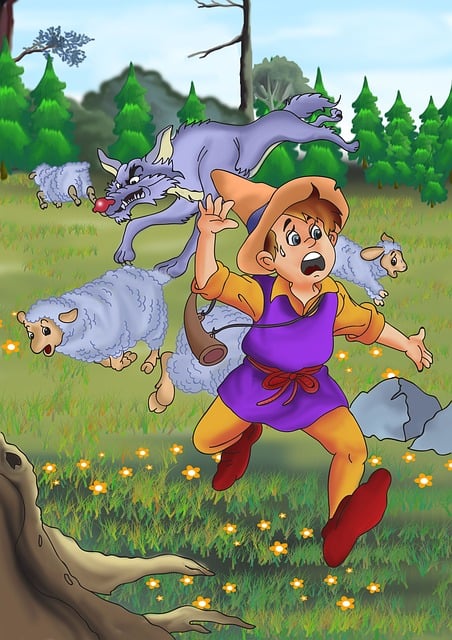
Once upon a time, in a peaceful village, there lived a young shepherd boy. He had the important job of watching over the village’s sheep to keep them safe from wolves. To add a bit of excitement to his otherwise ordinary days, the boy began to play a tricky game. He would cry out, ‘Wolf! Wolf!’ even when there was no wolf in sight. Each time he did, the villagers rushed to his aid, only to find that it was a false alarm. The boy found their reactions amusing.
However, one day, a real wolf actually came to the meadow, and the boy cried out for help with all his might. This time, though, the villagers, thinking it was just another false alarm, didn’t come to his rescue. They believed he was playing one of his tricks again. Unfortunately, the wolf, seeing no one was coming, attacked the flock of sheep, and the boy realized that he had made a terrible mistake.
Advice for Kids:
The moral of the story is crystal clear: it’s not a good idea to tell lies. When we lie or pretend, people may not believe us when we’re telling the truth and really need help. So, always be honest and trustworthy, especially when you’re sharing moral stories for kids like ‘The Boy Who Cried Wolf.’ If you’re in trouble or need assistance, be straightforward, and people will be there for you. Just like the villagers, they might not believe the boy when he truly needed help.
Remember, honesty is a valuable and respectable trait. By being truthful, you’ll earn the trust and respect of those around you. So, let this fable remind you that it’s best to tell the truth and be reliable, just like the boy should have been in the first place.
Advice for Parents:
Teaching the importance of honesty and trustworthiness is an essential lesson, and the fable “The Boy Who Cried Wolf” offers a wonderful opportunity to reinforce these values in your child’s development. Here are some tips for parents:
Open Conversations: Encourage open and honest conversations with your children about the fable and its moral lessons. Ask them how they interpret the story and the consequences of the boy’s actions.
Model Honesty: Children learn by example. Be a role model by demonstrating honesty in your own actions and conversations. Show them the importance of truthfulness.
Discuss Trust: Talk to your children about the significance of trust in relationships. Explain that when we’re truthful, we build trust with others, making our bonds stronger and more reliable.
Teach Responsibility: Help your children understand the concept of responsibility. Emphasize that they should take responsibility for their actions and words. If they make a mistake, teach them to admit it and make amends.
Role-Playing: Engage in role-playing scenarios where you and your child can practice being honest and trustworthy. This can help them develop these qualities in real-life situations.
Storytelling: Share other moral stories that emphasize the value of truthfulness and reliability. Discuss the lessons learned in those stories as well.
By following these tips, you can help your child internalize the fable’s moral lessons and carry them into their everyday lives. In doing so, you’ll be nurturing qualities of honesty and trustworthiness that will serve them well as they grow and interact with others.
Image by Irana Nasrin from Pixabay